Social Casino Risks: A Floor Supervisor’s View on Free-to-Play Habits
I’ve spent twenty years watching cards hit felt and chips stack on roulette layouts, and the pattern I see now on free-to-play lobbies is uncomfortably familiar. The lights are softer, the currency is fake, but the loop that keeps a player tapping through an arvo is built from the same psychology. Social casino risks sit right at that intersection: harmless entertainment for most, but a slippery slope when free play starts training the habits that carry into real-money rooms. I’m not here to moralise. I’m here to tell you what to watch for, the same way I’d read a table for tell signs before a shift starts.
The Lobby and the Game Mix
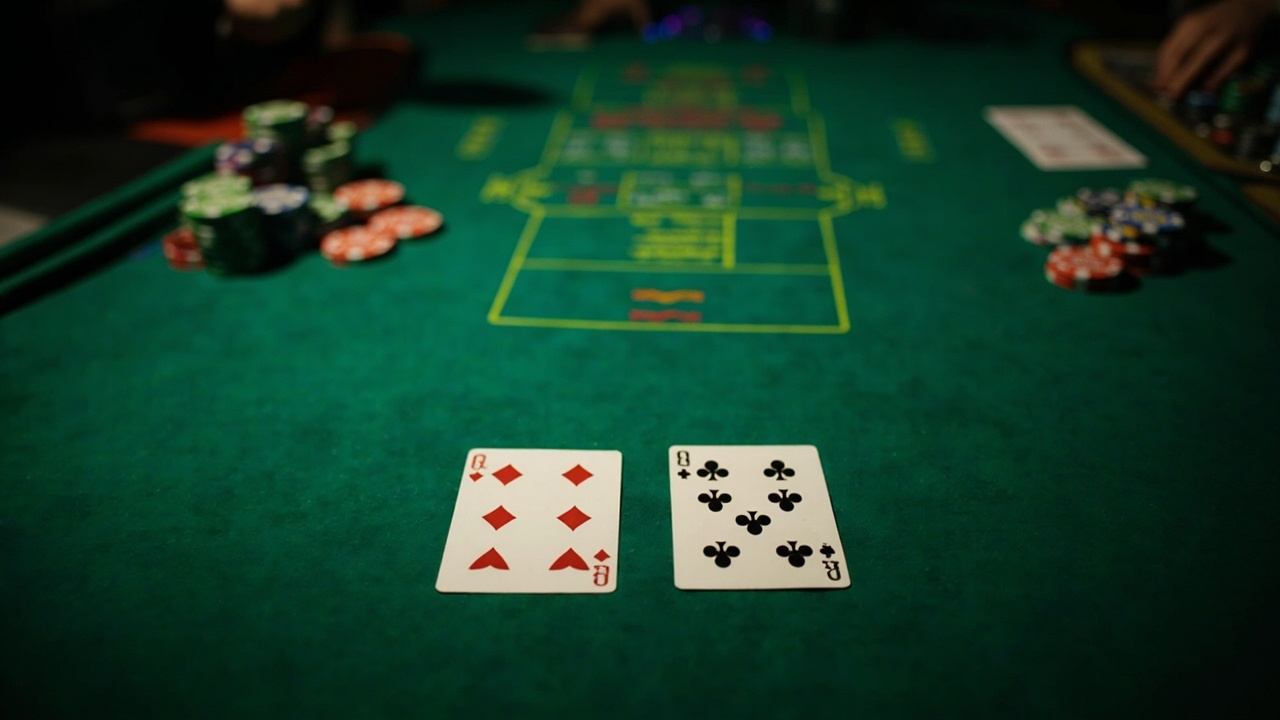
Walk into any well-run casino floor and the first thing you notice is how deliberately the game mix is arranged. High-volatility slots sit where the foot traffic is heaviest, table games hold the centre, and the live dealers are positioned where the noise draws a crowd. Social casino risks look calm on the surface because there’s no cash register, but the lobby is still doing the same job: sorting you into a rhythm and keeping you there. The free-to-play catalog usually leans hard on bright, fast-spin slots with generous near-miss animations and a handful of simulated table or live-dealer tables that run on scripted outcomes rather than a live wheel or shoe. Providers in these spaces tend to favour slick presentation over depth, so you’ll see a lot of polished themes and not much in the way of varied table rules or real dealer pacing. try spinaud
Discovery is where the design gets clever. Search bars and category tiles are built to surface what keeps you tapping, not what teaches you a game. I’ve watched players treat a free lobby like a training floor, which is fair in one sense, but the skills don’t transfer cleanly. A free blackjack table that auto-plays your decisions doesn’t teach you when to stand on sixteen against a dealer seven, and a demo roulette wheel that never varies its bet limits doesn’t prepare you for the pace of a live shoe. If you’re using these games to learn, pick the ones that actually let you make decisions and slow the pace down. If you’re using them to chase the little win animations, that’s where the risk starts creeping in.
| Detail | What you’ll typically see |
|---|---|
| Game mix | Mostly free slots, a few simulated table and live-dealer tables |
| Providers | Polished theme studios, lighter on rule depth |
| Currency | In-app coins or gems, no real-money cash-out |
| Registration | Usually light, sometimes tied to a social account |
| Mobile | Built for quick sessions on phones and tablets |
| Support | Email or in-app help, response times vary |
| Loyalty | Daily login rewards and streak bonuses rather than a full tier system |
Where the Real Risk Lives
The danger isn’t that a free game will drain your bank account directly. It’s that the same design cues that make a free lobby sticky are the cues that, in a real room, keep a player at a table long after they should have walked. I’ve seen it on the floor a hundred times: a player who starts with a calm limit and a clear plan slowly shifts into chasing, because the room’s rhythm – the near-miss, the quick payout animation, the next hand already dealt – keeps pulling them forward. Free play can normalise that pull without the obvious pain of losing cash, which is why social casino risks deserve a clear head.
A couple of small moments stay with me. I once watched a regular at a baccarat table who’d been playing social demo versions for months walk into the real game and bet the same way he’d tapped on his phone – flat, patient, no problem. Then a short run of wins changed his posture; he started increasing after every hand like the next one was owed to him. The demo had taught him the look of the game, not the discipline of it. Another time, a player told me over a quiet arvo break that the free lobby was the only thing that kept him sane during a rough week, and I understood that. Entertainment is entertainment. The line crosses when the free loop starts feeling like a rehearsal for real-money habits, or when a player begins treating login streaks and daily coin bonuses as something to protect rather than a simple bonus for showing up.
The mechanics matter here. Free-to-play loops often rely on timed bonuses, streak rewards, and limited-time coin boosts that nudge you back in at the same time each day. That’s not inherently harmful, but it does create a routine, and routines are powerful. If you’re the sort of person who can open a free game for ten minutes and close it without a second thought, the risk is low. If you find yourself extending the session to “just finish this streak” or opening the app because you don’t want to break a login chain, that’s the moment to step back and ask what you’re actually after. I’ve always told new dealers to read the table, not just the cards, and the same applies here: read your own behaviour, not just the win animation.
Payments and currencies in these spaces are usually walled off from real money, which is the one clear safety line. You’re spending time, not cash, and that’s the point. But the habit side can still carry over, especially if a player later moves into real-money gaming and brings the same impulse patterns with them. I’ve never seen a free coin balance turn into a real debt, but I have seen players who treated free play as harmless and then carried the same chasing mindset into a real room. That’s why I reckon the smart approach is to treat free lobbies as what they are – entertainment with a designed loop – and to keep a clear boundary between tapping for fun and playing for money.

Who This Fits and Who Should Be Careful
If you want a low-pressure way to pass time on the train or during a slow arvo, a free lobby can be a reasonable pastime, provided you keep it loose and time-boxed. It suits players who enjoy the look and sound of casino games without any interest in staking real money, and it can be a harmless way to familiarise yourself with the feel of a slot or a table layout. What it doesn’t suit is anyone who’s using it to test a betting system, chase a feeling, or build a routine that starts to feel compulsory. The people I’d flag gently are the ones who already know they struggle with impulse control, or who’ve had a rough patch with real-money play and are now leaning on free games as a substitute without checking what the free loop is teaching them.
A practical way to keep it in the safe zone is to decide your session before you open the app, treat login streaks as a nice-to-have rather than a must, and close the game the moment it stops being fun. If you’re using it to learn, pick titles that let you make real decisions and slow the pace down, because that’s the only way the practice transfers. If you’re using it to unwind, keep it short and don’t let a daily bonus nudge you into a longer session than you intended. I’d rather a player leave a free lobby with ten unused minutes than stay until the streak feels like a debt.
Keeping the Boundary Clear
The clearest safety line in any free-to-play space is the one between time and money, and the next clearest is the one between fun and routine. Social casino risks are real mostly because the design is good at building habits, not because the games themselves are dangerous in a direct sense. Treat them like a polished pastime, not a rehearsal room, and you’ll stay on the right side of that line. If a free session ever starts feeling like something you need to protect, or like a warm-up for real-money play, that’s your cue to step back and reset. No game on a free lobby is worth a habit you didn’t mean to build.
