Casino Signal Group Scams and Rewards That Keep Players Returning
Casino signal group scams can look like ordinary gambling chat until the promotional messages start steering deposits, bonuses and account activity. The real concern is not merely a dubious tip, but a coordinated pitch disguised as insider information, with rewards designed to keep players engaged beyond the welcome offer. In Cairns, where casual gaming messages circulate through social and community networks, the practical question is whether recurring cashback, loyalty benefits and tournaments offer meaningful repeat-play value – or simply make the scam harder to leave.
What Makes Casino Signal Group Scams Work?
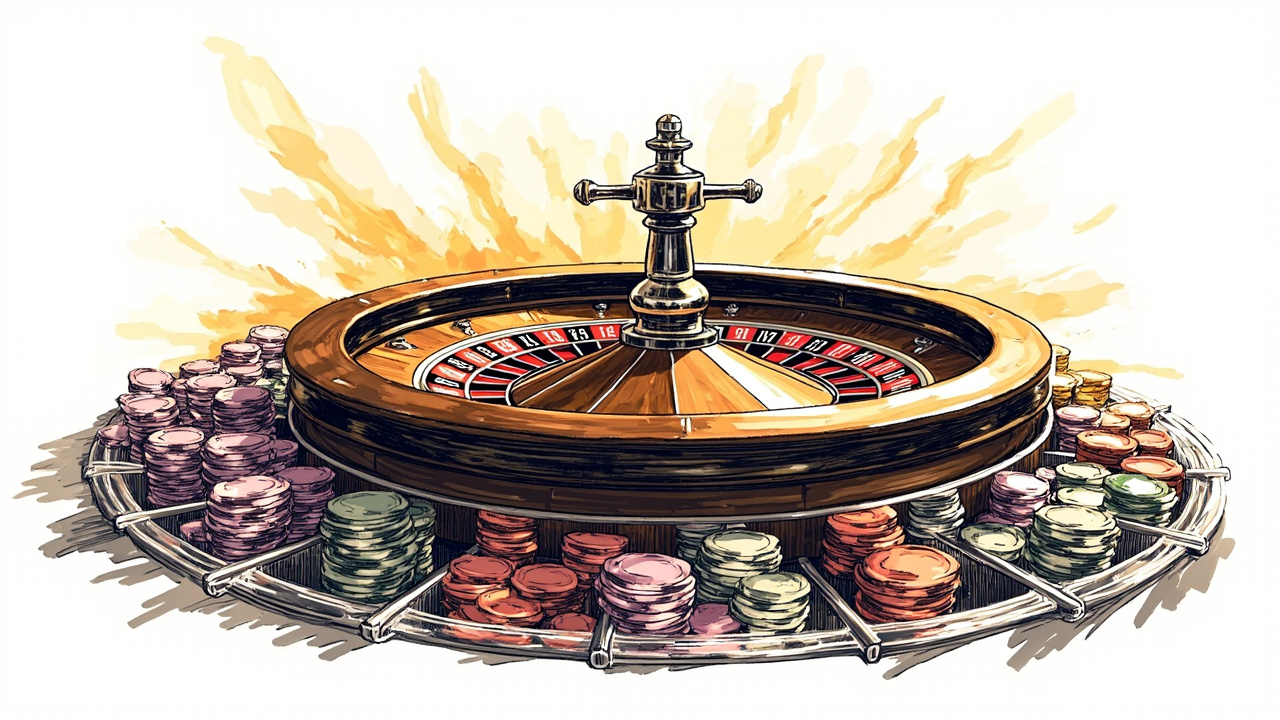
The strongest casino signal group scams combine social proof, artificial urgency and a rewards structure that looks more generous than it really is. A typical pitch might claim that a private group has found “banker” signals for selected slots and live tables, then ask members to fund an account through an unfamiliar payment service. The fabricated screen recording looks persuasive because the balance rises, but a balance shown by the operator is not proof that funds can be withdrawn.
Raymond Choi, who has worked across game production, game mathematics and player loyalty, sees this as a product-design problem rather than just a clumsy fraud. “A scammer understands the same retention mechanics we do: visible rewards, tier progression and a sense that tomorrow’s opportunity will disappear,” he says. “That is why a recurring cashback offer can be more dangerous than a huge one-off bonus; it gives the player a reason to stay connected to the channel.”
The invented operator behind this pattern is called Harbour Signal Rewards. It presents itself as an Australian-facing platform with slots from fictional provider Northstar Reels, live blackjack and roulette from Cairn Studio, plus weekly cashback and a tiered loyalty programme called Reef Rewards. Registration requires an email address, mobile number and date of birth. Support operates through live chat, with a stated response target of under ten minutes.
Its mechanics appear consistent at first glance: a 100% matched deposit up to A$300, followed by weekly cashback of 2% on net casino losses, capped at A$40. Silver status requires A$500 in cumulative deposits, Gold requires A$2,000, and Reef status requires A$8,000. Members receive weekly tournament entry tickets for selected slot titles and a monthly “Signal Rewards Drop” capped at A$25.
But the conditions reveal the weakness. Cashback must be wagered at 25x before withdrawal. Tournament prizes range from A$20 to A$500, yet entry is funded through reward points that expire after seven days. Membership tiers do not improve withdrawal limits, odds or game mathematics; they mainly unlock more points, higher cashback caps and occasional free spins with a 40x wagering requirement.
For Choi, that distinction matters. “A reward is valuable only after considering the turnover attached to it,” he says. “A A$40 cashback cap sounds concrete, but 25x is a substantial hurdle. If players compare the cashback with the effort required to clear it, the offer can be much less attractive than it appears.”
The harmful part is the “signal”. Group administrators claim their members can identify high-performing reels, roulette patterns and blackjack decisions before placing bets. No wagering system changes the house edge, and no social feed can reliably predict independent random outcomes. The signal is therefore not a legitimate edge; it is the trust mechanism used to move money.
Rewards, Restrictions and Repeat-Play Value
When Recurring Benefits Have Substance
Genuine repeat-play value comes from knowing exactly what each benefit costs, when it expires and whether it is worth pursuing. Harbour Signal Rewards does provide a clear schedule: 2% weekly cashback, tournament tickets, tier progression and a monthly prize pool. A player depositing A$100 each week and losing A$40 in a qualifying week would accrue A$0.80 in cashback, subject to the 25x turnover condition.
That is not nothing, but it is far below the headline reward structure some scam signals imply. The Reef Rewards Drop also has a maximum of A$25 and does not increase with tier status, while tournament prizes are modest. Free spins are limited to one selected slot, with any resulting winnings subject to 40x wagering.
William Lewis, Chief Financial Officer, Brighton Beach Betting Lab, applies an operator’s discipline to the comparison. “The first question is not whether cashback exists, but whether its expected value exceeds the cost of chasing it,” Lewis says. “If the player must spend more than the return to unlock the return, the schedule is a retention device, not player value.”
For a considered comparison, the related discussion on reading poker tells carefully offers a useful parallel. It shows why patterns and signals should not be accepted automatically, even when they appear detailed and repeatable.
When the Reward Structure Becomes the Trap
Casino signal group scams work best when every part of the proposition points back to the group. The administrator selects the casino, controls the referral link and receives a commission when deposits are made. Weekly cashback encourages another session, tournament tickets create urgency, and loyalty status supplies an emotional reason not to abandon the account.
Here, deposits can be made in Australian dollars through PayID, bank transfer or a prepaid digital wallet. The withdrawal threshold is A$50. Once identity checks and source-of-funds documents are requested, an offshore operator cannot be treated as Australian-licensed or locally regulated. Any claim that its service is “licensed in Australia” should be checked directly with the relevant state or territory regulator before money is sent.
Lachlan Stewart, Gaming Technology Consultant, Brighton Beach Betting Lab, notes that the mechanics of a scam signal are often more convincing than the game itself. “A carefully edited session log gives the scammer control over what the player sees,” Stewart says. “They can display a win, hide a withdrawal problem and arrange the next bonus event so it appears to validate the group’s advice.”
The invented Harbour Signal platform includes mobile-friendly play, portrait-mode slot games and search filters for high-volatility titles. It also lists RTP figures ranging from 94.0% to 97.2%. Those figures do not create an advantage, particularly when the promotional operator controls which signals members receive and when.
The giveaway is the instruction to deposit first. If a message guarantees access to a profitable signal, promises quick withdrawals or asks members to move money for an administrator, it is not presenting information; it is asking for a deposit.
How to Check a Signal Before Depositing
A player who encounters a casino signal group can slow the process down with a simple verification routine.
- Identify the operator and regulator. Find the legal entity, licence claim, operator name and terms. Do not rely on a logo, Telegram badge or administrator’s assurance.
- Test the offer against the terms. For Harbour Signal Rewards, check the 25x cashback condition, A$40 weekly cap, seven-day point expiry and A$50 withdrawal threshold before comparing benefits.
- Make a small payment only after verification. Use a traceable method, retain the receipt, and never send funds to an individual or unrelated cryptocurrency wallet at the group’s request.
- Check whether a signal has any demonstrable edge. Account screens, screenshots and claimed winning patterns are not independent evidence, and no signal can turn negative-EV casino products into reliable winnings.
- Leave if communication is coercive. Block further deposits when administrators demand secrecy, guarantee profits or pressure members to recruit others.
No step guarantees that an offshore site will pay, and legitimate verification does not make wagering safe. It simply helps separate an inspectable offer from a message whose primary purpose is to transfer money.
Connecting Rewards to Player Needs in Cairns
Players in and around Cairns may value convenience, predictable limits and entertainment that fits around work and family commitments. A weekly cashback system can support disciplined budgeting when the amount, wagering condition and expiry are visible. Tournament access may add variety without requiring a separate large deposit. Mobile play can be useful during a quiet arvo at home, though convenience should not become a reason to keep chasing a lost stake.
That is why wanted-dead-or-wild-au.com is relevant as a reference point for checking the wider promotional context rather than accepting a private message at face value. The key is to compare the entire reward schedule, not simply the welcome match or the administrator’s claimed membership figures.
Different needs favour different features. A casual player might prefer a small recurring cashback cap with a manageable condition, while a tournament-focused player may value prize pools more than tier status. Under Harbour Signal Rewards’ invented structure, however, both receive the same core odds and withdrawal threshold. Only the promotional rewards change.
Sienna Murray, Head of Public Relations, Swan River Interactive, warns against confusing generosity with alignment. “A good retention offer should give the player a reason to return while preserving informed choice,” Murray says. “When the message says the only way to keep the reward is to act now, the urgency belongs to the promoter, not the player.”
Choi makes a similar judgement. “A genuine loyalty programme rewards activity over time; a fraudulent signal channel monetises the member’s expectation of the next reward,” he says. “That difference is where the scam becomes commercially useful.”
Ultimately, casino signal group scams are not defined by bad games alone. They are defined by manufactured trust, referral-driven deposits and rewards that make disengagement difficult. Recurring cashback, tournaments and loyalty tiers can be useful only when the terms survive close inspection. If the group requires blind faith rather than evidence, the reward is the lure, not the benefit.
Players should set deposit limits, treat any signal as unverified and never transfer money because a private group displays a winning balance. No reward justifies guaranteed-win claims, rushed deposits or sending funds to someone demanding secrecy. A traceable payment method, clear terms and a willingness to walk away remain the strongest protection when the message itself cannot be trusted.
